Teaching
My teaching is grounded in the belief that educational institutions should equip students to think critically, ethically, and historically about the most pressing transboundary challenges of our time. Across my courses, I invite students to examine how climate change, migration, security, inequality, and governance are interconnected, and how these dynamics are experienced differently across regions and communities. In my classroom, I connect debates about power, order, and conflict to policy practice in climate diplomacy, humanitarian governance, and global risk management.
My lessons are research-informed, discussion-based, and globally oriented. Drawing on fieldwork in Asia-Pacific, Latin America, Canada, and the Arctic, I encourage students to connect theory to cases and approach policy debates with intellectual rigour, empathy, and attention to power.
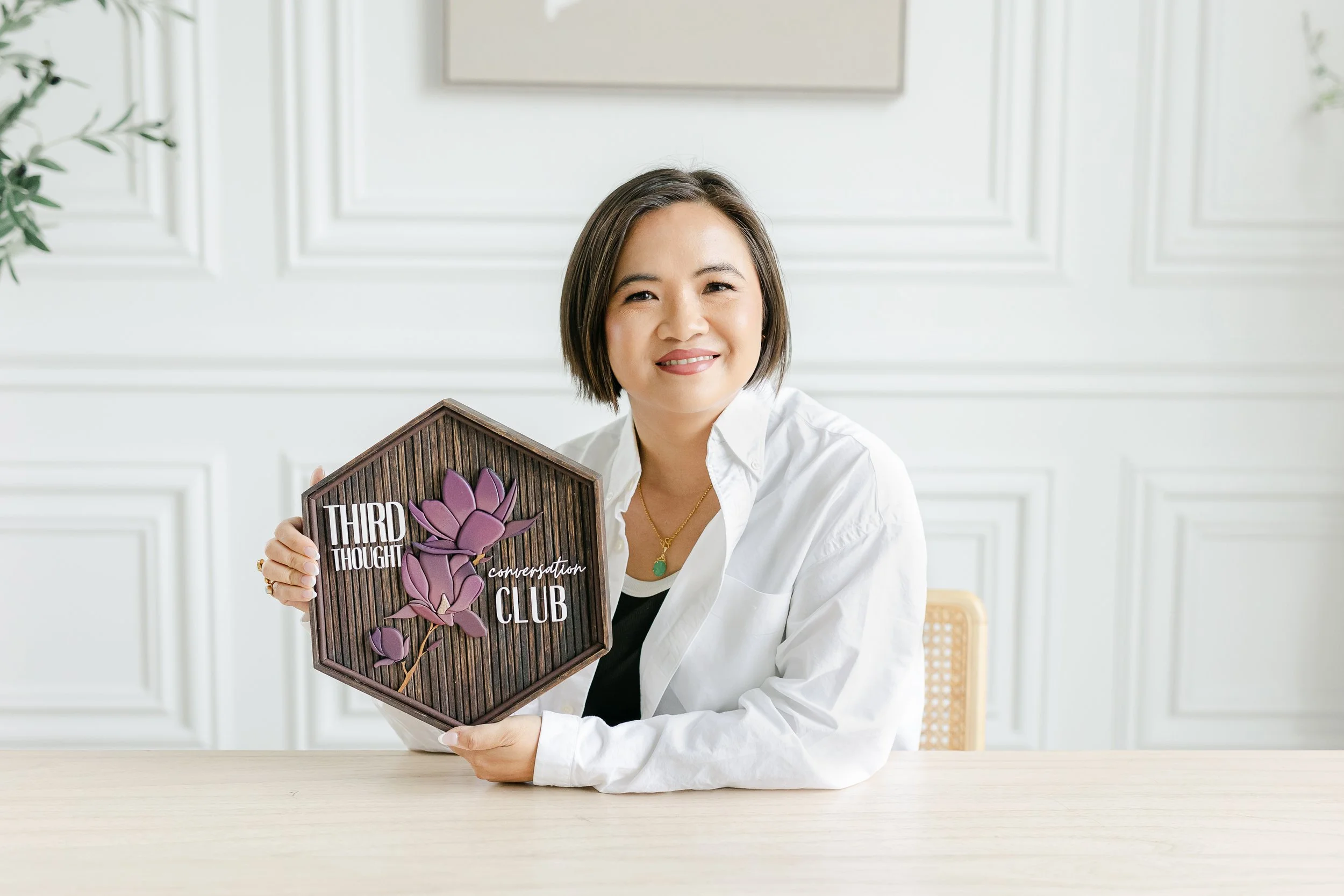
My Teaching Philosophy:
“Most of my teaching has been around one of the greatest public policy challenges of our times – migration. But through my research and teaching, I have learned that migration cannot be fully understood through words alone – it must be felt.
The weight of borders, the struggle for mobility, the tension between freedom and restriction – these are lived experiences. As an award-winning educator, my mission is to help students understand the complexity of migration in ways that shape them as scholars, policymakers, and advocates.
Areas I teach:
Climate change, adaptation, and displacement
Migration, refugees, and mobilities
Environment, security, and global governance
Human rights, inequality, and development
Qualitative, participatory, and field-based research methods
Courses
I have been incredibly lucky to have taught some incredible students whose work I am showcasing here. Every day in class I try to learn something new from my students so they can see learning as a two-way street and our classroom as a place for the exchange of ideas and the building of knowledge.
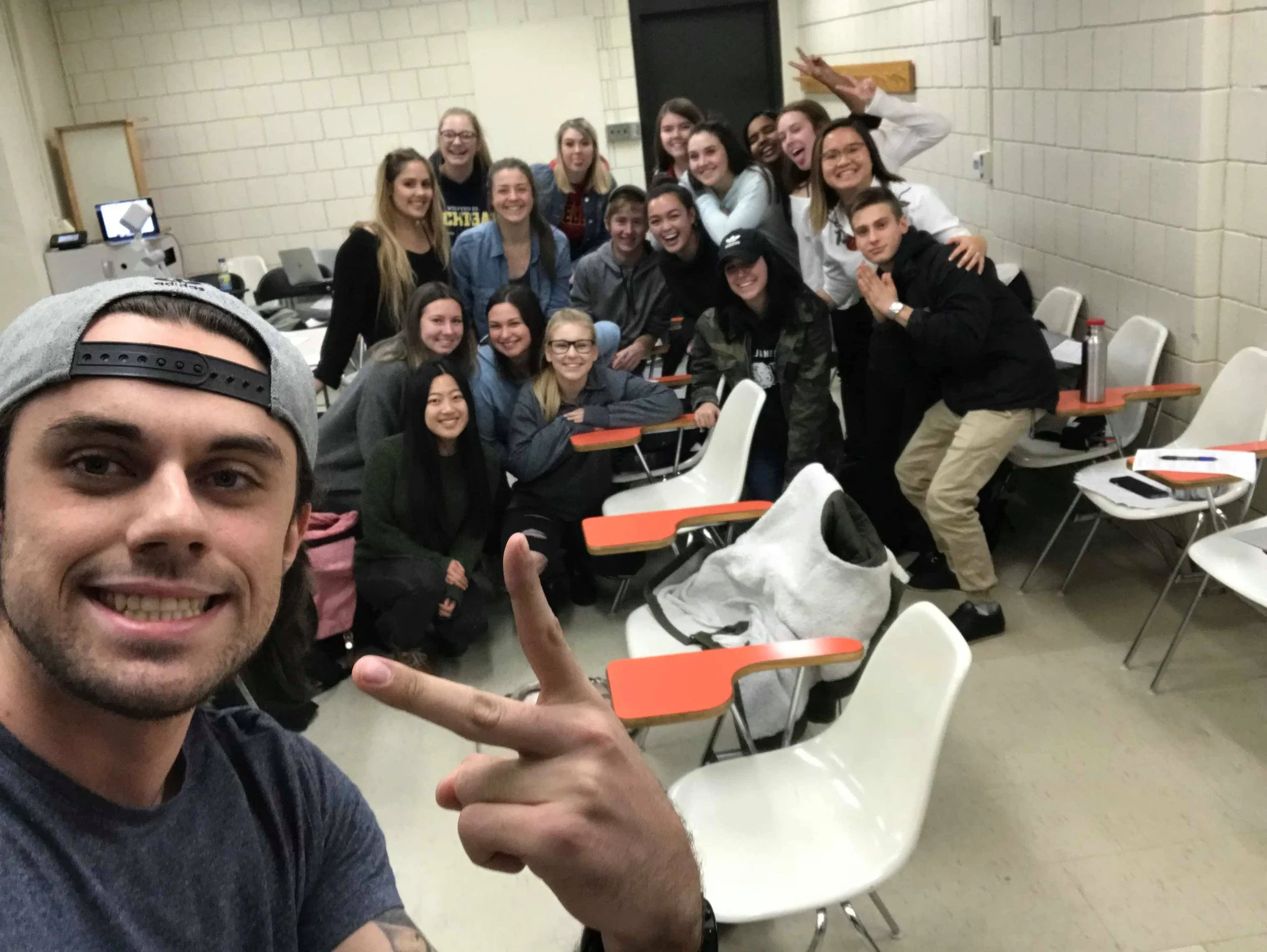
The wonderful students that I had in my UNIV1200 class “Fire, Floods & Rising Tides: People on the Move in the Age of Climate Change”.
Approach to AI in the Classroom
AI in the classroom is a pervasive and concerning issue. Students know that AI makes them dumber but similar to social media once they start using it, they cannot stop even though there are strong negative consequences. To them and to many of us that use generative AI as an aid, the pros seem to outweigh the pros. My approach to AI in the classroom is not to try to catch my students cheating with AI but to inoculate them against it by designing assignments that are interesting, creative and largely AI-proof.
For example, I often use simulations as an active, experiential learning strategy and build them into most of my courses to foster interdisciplinary thinking. These exercises mirror real scenarios—climate negotiations, evacuations, public health crises, elections—that cut across politics, economics, ethics, psychology, law, geography, and culture. I designed a simulation for my introduction to Refugee and Migration Studies course based on the real evacuation from Kabul when the Taliban took over in 2021. At 3 a.m. on the morning of class, students receive a staged email from the Canadian Embassy instructing them to pack one bag to evacuate because they aided Western forces during the war and would be persecuted if caught by the Taliban. They bring the bag to class and later write a reflective essay on the items they chose. Some packed practical essentials; others brought sentimental objects. This exercise gave students a visceral sense of urgency, uncertainty, and the weight of conflict.
For my Diaspora Cultures class, I asked my students to cook a dish from the diaspora - my current understanding is that AI cannot cook yet… Some might not see this exercise as highly academic, but for my students it was a fascinating learning experience. It allowed them to take something that they took for granted - a common diaspora dish - and understand the history behind it. They picked a dish from the UNHCR’s Tastes from Home Cookbook to make themselves. Through a dish, they learned about colonization, identity, belonging and change. The video below is of my former student Andrew making the dish known as “Spaghetti with Tomato Sauce and Basil” - a dish that former Canadian Minister of Immigration, Refugees, and Citizenship Ahmed Hussen wrote about in the Cookbook. In a separate interview, Minister Hussen said, “Food has a way of bringing people together. Particularly for refugees, they bring these dishes here in their minds, and cooking them in this new land and place of refuge is a way to reconnect with their past and feel safe and feel whole again.”

HREQ3610 Student Assignment: Andrew's Cooking Video Tutorial on the Diaspora Origins of Spaghetti and Tomato Sauce from Somalia


Student Testimonials
“Having been taught by Dr. Su in several courses at York University, I can attest firsthand to her extraordinary teaching abilities. She approaches her teaching with a rigor and clarity that transforms complex material into accessible and thought-provoking dialogue. Her courses have profoundly changed the way I engage with scholarship, pushing me to question assumptions, embrace diverse perspectives, and hone my critical thinking skills. Through her thoughtful curriculum design and engaging delivery, she cultivates an environment of intellectual curiosity and scholarly excellence. Her firm but compassionate approach allows her students to feel both supported and challenged, and her influence extends far beyond the classroom.”
“One assignment that stands out in my memory is the photovoice project, which required us to create an Instagram account to showcase our work. As a niqab-wearing woman, I have rarely been allowed to speak and illustrate my voice in a public forum. This assignment allowed me to discuss something deeply personal and meaningful to my life and share it with the entire class. Dr. Su made me feel not only accepted but celebrated for who I am as a Muslim woman. This experience was incredibly empowering, and I am profoundly grateful for the space she created for me to express myself fully. It is also important to note that Dr. Su wasn’t just this way with me but with all her students. If there is anyone who understands the term ‘inclusivity’ it would be her. She was understanding of everyone’s beliefs, religions, cultures, and lifestyles. She never once made anyone feel like they had to sacrifice who they were to please her or to do well in the class.”
“Her mentorship has been invaluable. I saw firsthand how deeply she cares, not only for the professional development of her teaching assistants but also for her students. She invested considerable effort into creating innovative and meaningful discussions and designing experiential assignments that allowed students to empathize with the individuals they were studying.”
“Professor Su has also been an inspiration for scholars from the Global South, exemplifying how academic excellence and meaningful research can emerge from diverse perspectives.”
“Professor Su has a remarkable ability to engage students, fostering a learning environment that is both challenging and supportive. Her collaborative spirit and commitment to excellence have made a lasting impact on my studies and beyond.”
“Dr. Su’s class was enjoyable and the most engaging part of my day during the remote learning period following the COVID-19 lockdowns.”