Media, Public Scholarship and Policy Engagement
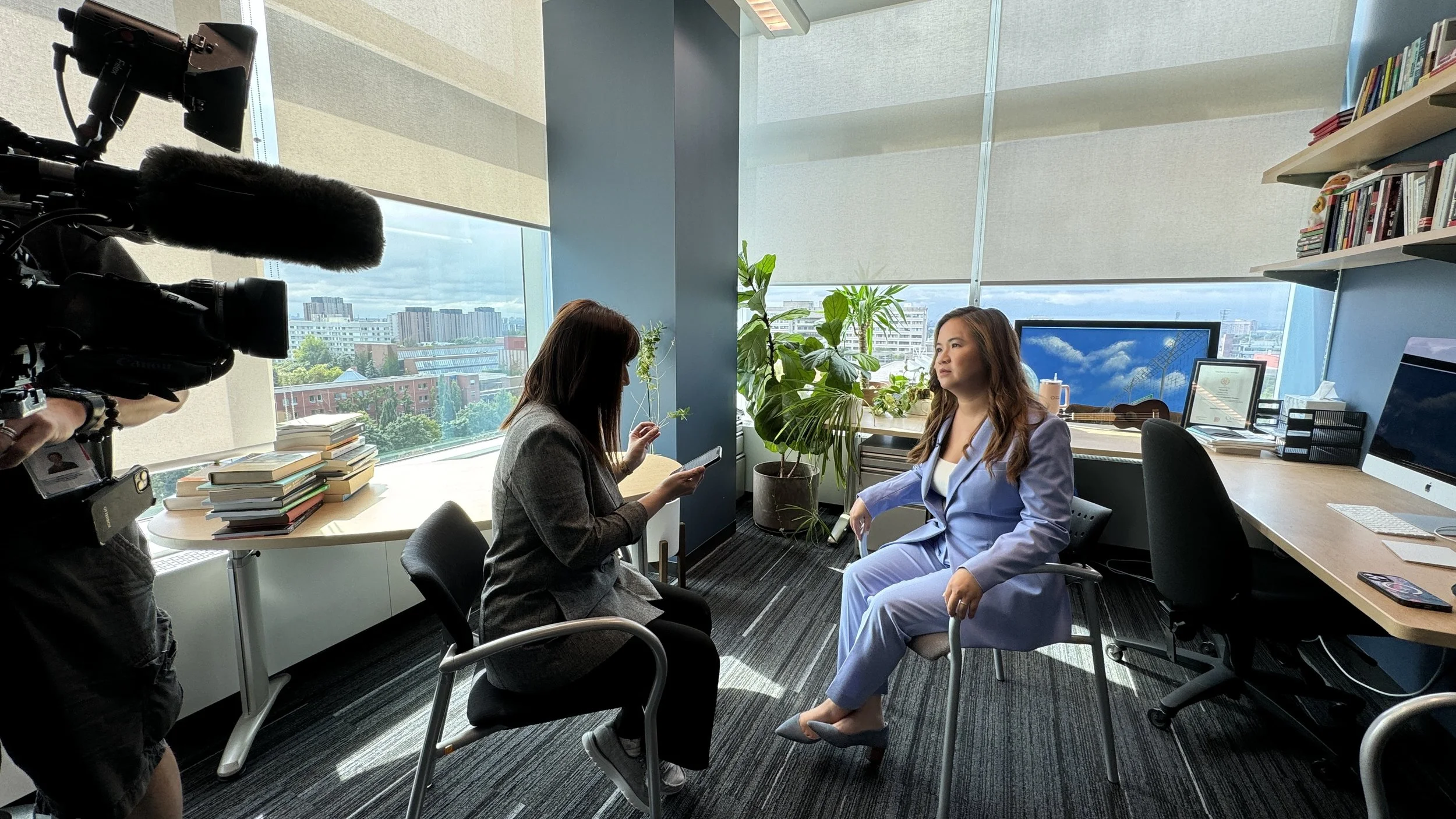
I regularly contribute to public and policy debates on climate change, mobility, human security, disaster governance, and refugee protection. My media and public-facing work translates field-based research into accessible analysis for broader audiences while bringing attention to the communities and crises that are often marginalized in mainstream policy conversations. I write and speak across academic, journalistic, and policy platforms to advance more just and evidence-based responses to climate displacement, environmental insecurity, forced migration, and intersecting forms of precarity.
Through advisory roles with UNHCR and collaborations with international NGOs, as well as contributions to UNHCR’s Global Recommendations on Nationality and Statelessness in the Context of Climate Change, my work engages directly with questions of sovereignty, borders, and protection regimes.
My research has informed discussions within organisations such as IPCC, UNDP, ICRC, and IOM, and has been shared with legislative bodies including Canada’s House of Commons, the Brazilian Congress, and the Bogotá Government, contributing to evolving architectures of climate security and mobility governance
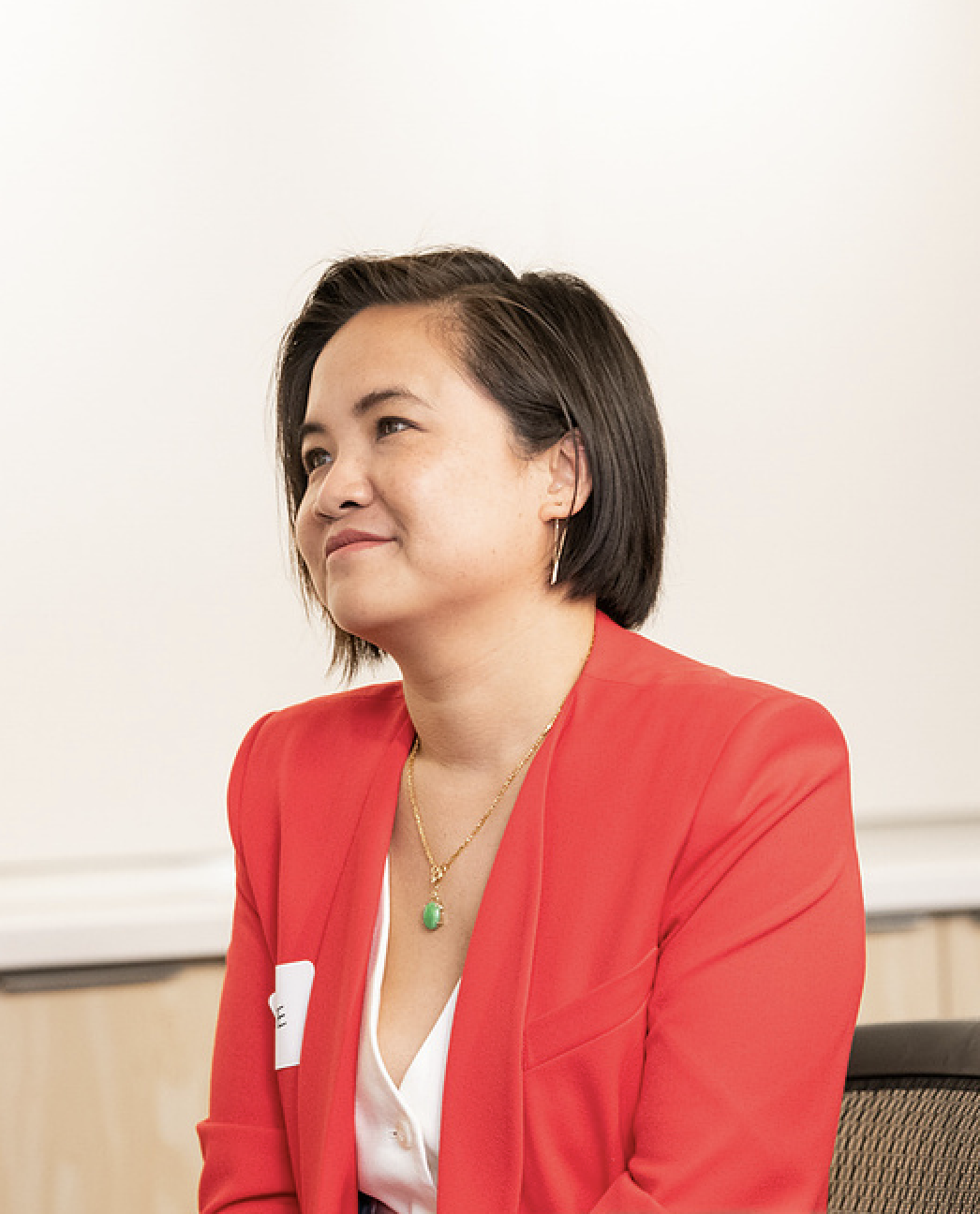
As an immigrant, whose father was a refugee, I care deeply about standing up for refugee and migrant rights. And I will advocate for them in the popular press and on the global stage.
My Writing in the Popular Press